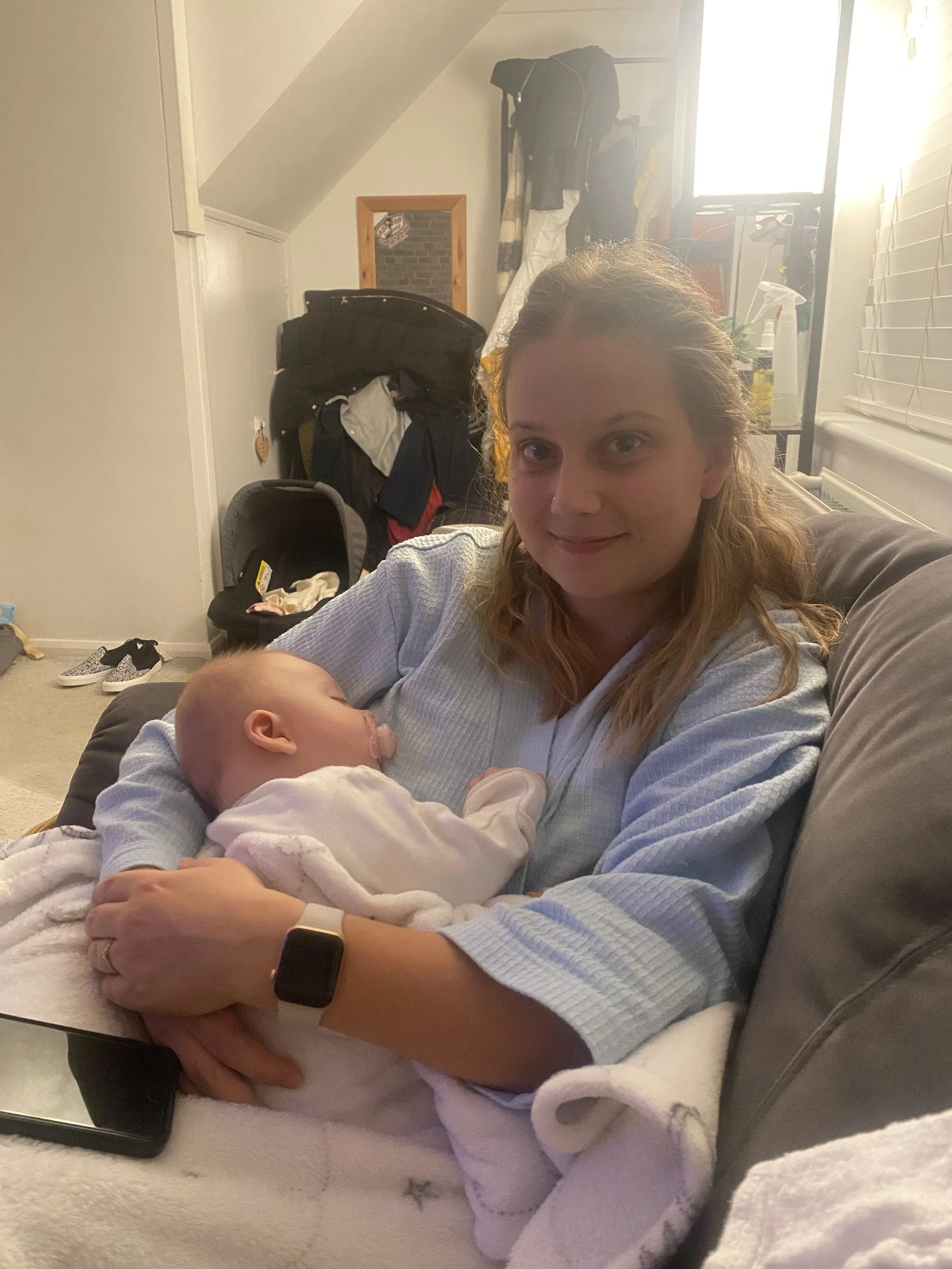
My Breastfeeding journey with Lily
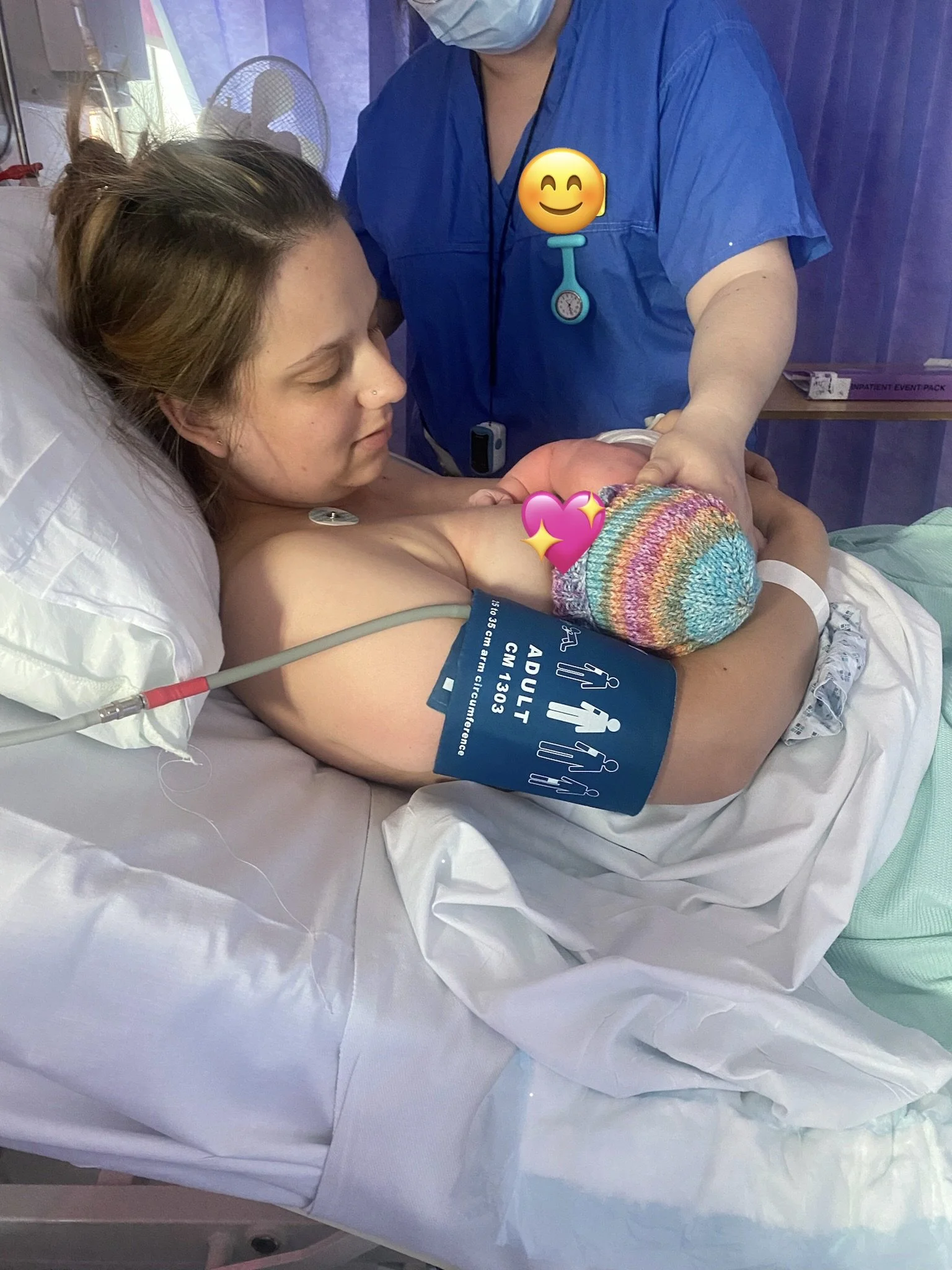
My Breastfeeding Journey: Why I Chose to Become a Breastfeeding Peer Supporter
As part of World Breastfeeding Week, I’ve been reflecting on my own breastfeeding journey with my first daughter, Lily.
Before becoming a parent, I didn’t really give much thought to how we would feed our baby. I knew I wanted to try breastfeeding, but I assumed it would come naturally.
I thought that once my baby was born, I would simply put her to the breast and my body and my baby would know what to do.
The reality was very different.
The beginning of our breastfeeding journey
After Lily was born, the midwife helped me put her to the breast, but Lily didn’t really feed and we were given formula.
Looking back now, I realise I left hospital without the practical skills I needed to breastfeed confidently. I didn’t know how to position Lily properly, what a good latch looked like, or how to know whether feeding was going well.
While I was still in hospital, I knew something didn’t feel right. Feeding was becoming increasingly painful, but as a first-time mum I didn’t really know what was normal. I was worried about making a fuss and, honestly, I was scared.
I did try to ask for support. I would press the call bell and ask for a midwife to come and check Lily’s latch, but unfortunately, by the time someone was able to come, Lily had usually stopped feeding. Nobody got to see what was happening during a feed.
I don’t believe this was because anyone didn’t care. I know how stretched maternity services are and how much midwives are balancing. But those early hours and days after birth are such an important time for parents to build confidence, and having someone sit with you and watch a full feed can make such a difference.
Once we got home, I continued trying to breastfeed, but I was learning as I went.
Lily seemed generally well, but she did lose weight in those early weeks and we were put on a feeding plan. Around me, I was often told that breastfeeding was just painful at first and that my nipples needed to “toughen up”.
Family and friends encouraged me to try formula, and I did.
But deep down, I was determined to continue breastfeeding. Partly because I really wanted to, and partly because I’m a bit of a tight arse and didn’t fancy paying for formula if I could help it! 😅
So I carried on.
There were times I fed while crying. There were times I questioned whether I could continue. I loved breastfeeding, but I didn’t understand why something that was meant to be natural felt so difficult and painful.
Finding the right support
When Lily was around eight weeks old, I finally went along to a breastfeeding support group.
An Infant Feeding Team member observed a feed and had concerns about Lily’s latch, so we were referred for further assessment.
After travelling to Norwich for a tongue-tie assessment and release, I was told they were surprised I had managed to continue breastfeeding for so long because feeding must have been so painful.
After Lily’s tongue tie was released, I was encouraged to feed her as this would help put pressure on the area, similar to holding pressure on a wound, helping with healing and reducing bleeding.
However, Lily was understandably distressed and struggled to latch straight away.
The clinician who carried out the procedure supported me and showed me the koala hold — where Lily sat upright on my lap, like a little koala clinging to a tree.
The koala hold itself wasn’t something we used all the time, but it was a real turning point for me because it opened my eyes to the fact that there were different ways to feed a baby.
Until that point, I had really only known about the traditional cradle hold. I hadn’t realised there were different positions I could try, or that finding the right position for both parent and baby could make such a difference.
With the right support, information and confidence, feeding became so much better. The pain reduced, and breastfeeding finally became the experience I had hoped it would be.
I went on to breastfeed Lily until she naturally weaned herself when I was pregnant with my second daughter, Violet.
Why this experience matters to me
Looking back, I don’t regret my breastfeeding journey. It taught me so much.
But I do wish I had known sooner that breastfeeding is a skill that both parent and baby learn. I wish I had known where to find support and that I didn’t have to struggle through the difficult moments alone.
This experience is a huge part of why I chose to become a Breastfeeding Peer Supporter.
I wanted to be able to support other parents, help them feel listened to, and remind them that they don’t have to just “put up with it” if feeding is painful or difficult.
I also know that every feeding journey is different. I absolutely love breastfeeding, but I support every family’s feeding choices.
Whether you breastfeed, formula feed, express, combination feed or change your feeding plans along the way, every parent deserves compassionate, non-judgemental support.
What I wish I had known before breastfeeding Lily
Breastfeeding doesn’t always come naturally — it is something you and your baby learn together.
Getting support early can make such a difference.
Painful feeding is a reason to seek support. You don’t have to struggle alone.
My hope in sharing my story is that another parent might read it and think:
“Maybe I don’t have to just keep pushing through.”
Sometimes the right support, at the right time, can completely change your feeding journey.